Archive for the ‘ Streetscape’ Category

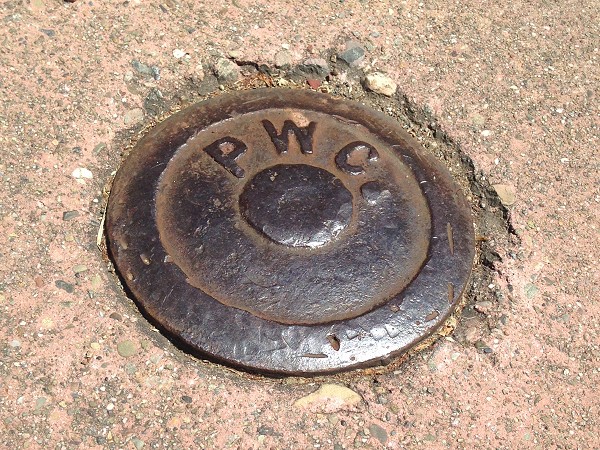
Peoples Water Company

3 February 2017

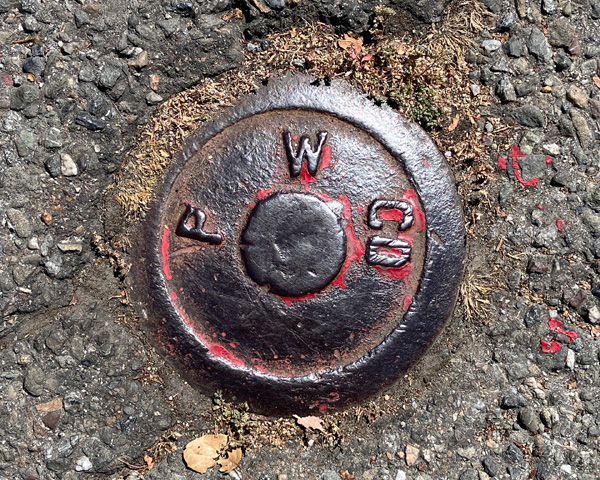
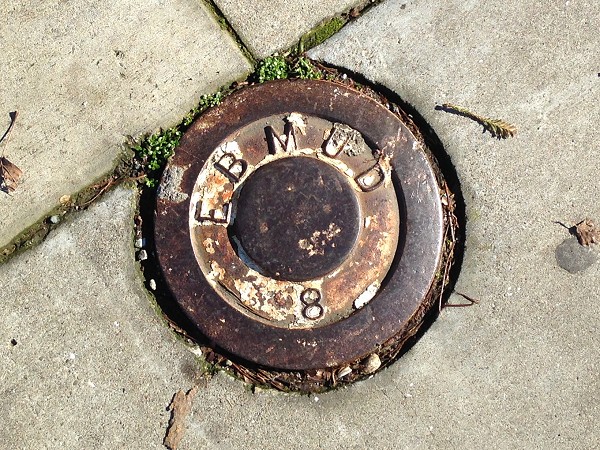
You’ll see plenty of evidence on the street of the East Bay Municipal Utility District. Their 8-inch mains are marked with these ubiquitous caps.

ebmudlid

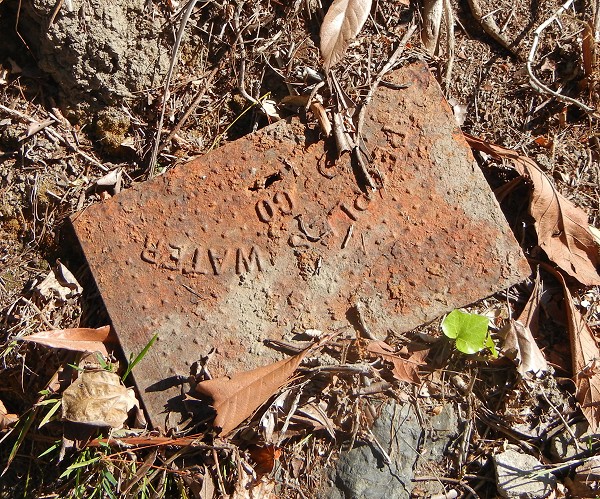
Much rarer are the caps for EBMUD’s predecessor, Peoples Water Company. It served much of Oakland and points north for the first time, an important ally for developers, but went bankrupt more than a century ago.

peopleswaterco

That one’s from Piedmont, and this one’s from Oakland at the intersection of Fleet Road and Greenwood Avenue.

Here’s another artifact I found up in the hills.

peopleswater

In 2013 it was the subject of a post on my other blog, Oakland Geology.

Some little brass lids: Greenberg, Hays, Scott

20 January 2017

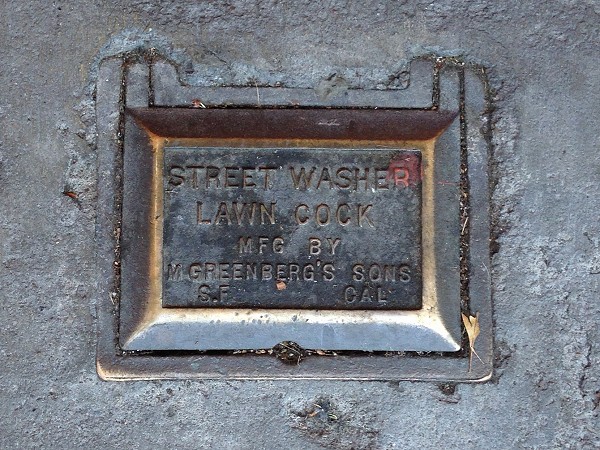
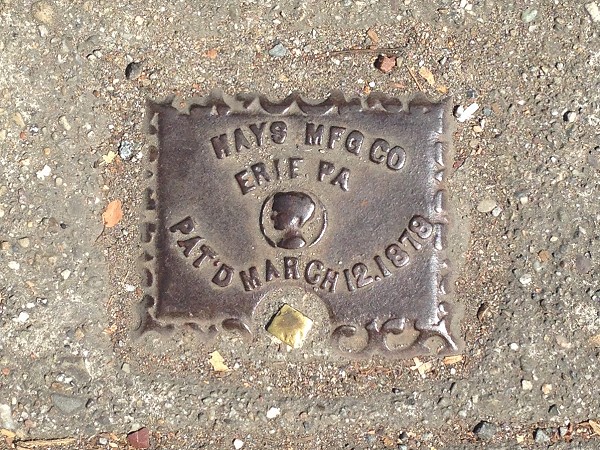
Here’s a roundup of some cute brass lids I’ve seen in our sidewalks.

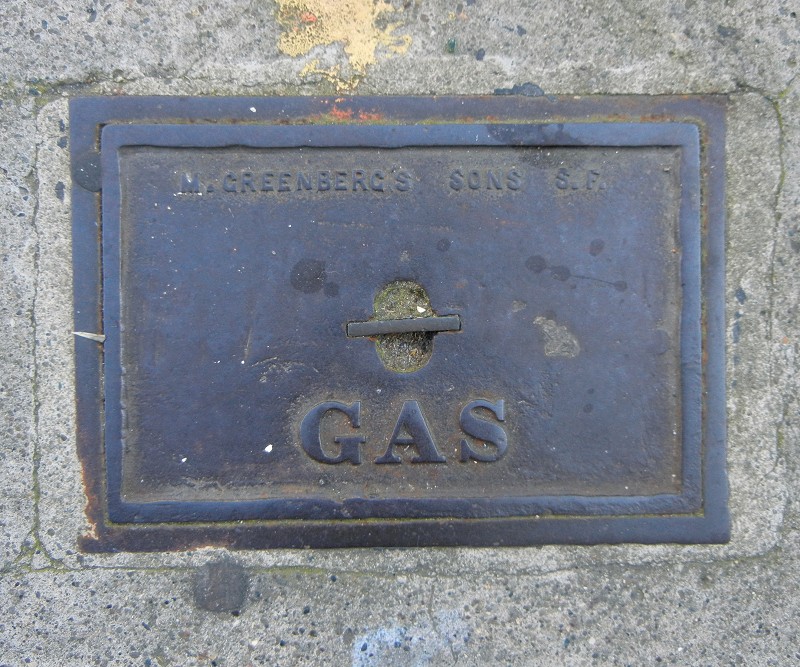
M. Greenberg’s Sons, the San Francisco firm I’ve mentioned before, made this lid next to the old Fairfax Theater building, out on Foothill at Belvedere.

greenbergs-lawncock

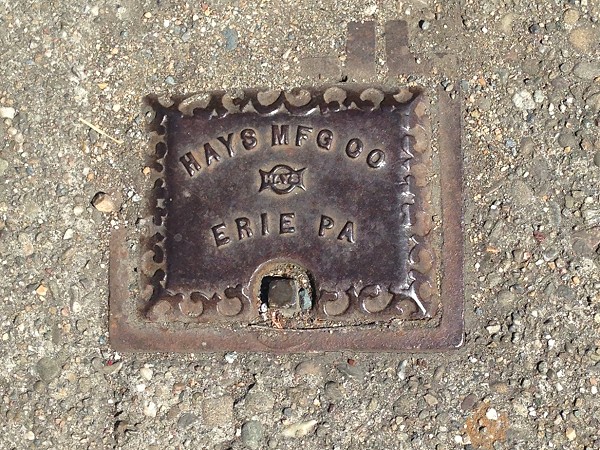
This pair of well-preserved covers made by the Hays company is on Piedmont Avenue. The Hays company still exists and is in the same business! Read all about it at haysfluidcontrols.com.

haysplate-piedmont1

haysplate-piedmont2

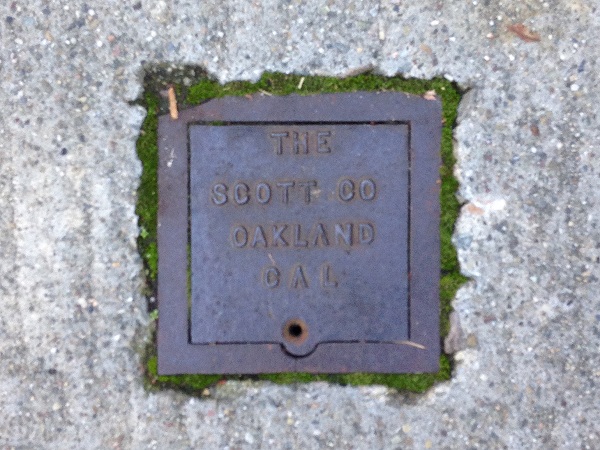
And this last one is from a company I haven’t featured here before. The Scott Company specialized in heating and ventilation systems, starting about 100 years ago.

scott-co

They were headquartered at 381 11th Street. I haven’t done a big search, but I do know they lasted until at least 1938. There was another Scott Company, in San Leandro, founded in 1975, that folded after a contracting scandal in San Francisco a few years ago, but that was not these guys.

Street blemishes

9 December 2016

brickpaverepair

No mater how carefully you build, someone will come along and make incisions in your work. When streets are re-asphalted, it seems like it happens within weeks. And the only time the repairs are seamless is when the city’s heritage ordinances require a complete restoration.

Until your building is historic, it’s at the mercy of history, and we just accept that degradation as the tax time imposes on existence. In this case, the patch-up crew not only couldn’t replace the original yellow bricks — and they could have if they hadn’t been in such a hurry — they couldn’t even figure out an easy way to match the original pattern. The result is not as bad as tagging, but it’s on the spectrum.

This is at that former bank on Broadway at Grand, the place I think of as the golden building. At least moments like this still happen regularly, if you’re looking.

narabank

Be grateful for good buildings and the conscientious owners who keep them that way.

The Piedmont streetscape

4 November 2016

I’ve taken some walks through the beautiful city of Piedmont recently, getting a preliminary handle on its geology, and if you’re a fit person this is a fun walking town. There are some notable things about the sidewalks that appear to apply to the whole town, or at least around its main axis.

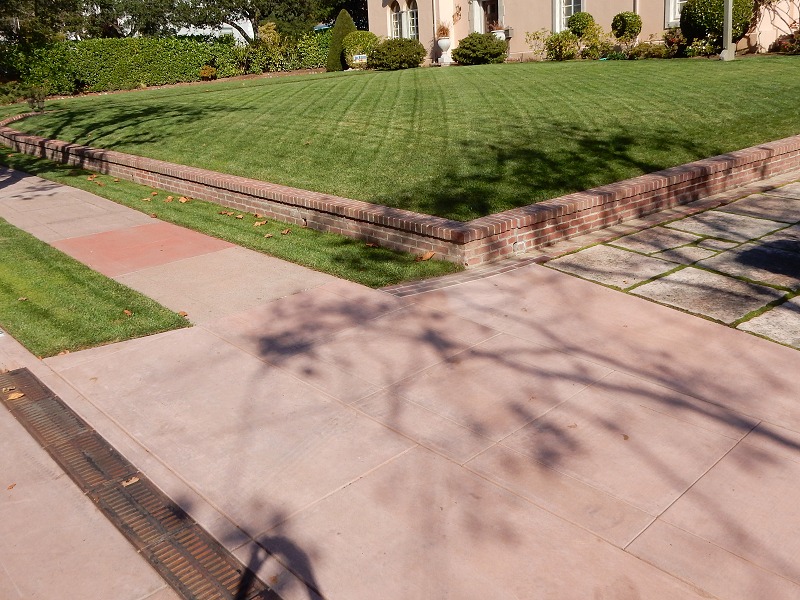
For one thing, all the work is of high quality, although for some reason the concrete is usually tinted. In Oakland, only in the Havenscourt neighborhood are the sidewalks tinted so consistently.

piedmont-red-sidewalk

The pink kind of clashes with all the green — and I must say that unlike every single neighborhood in Oakland, hills and flats, the residents aren’t making much visible effort to save water in their landscaping.

The mature street trees have heaved up the sidewalks everywhere, so they have to be beveled fairly seriously. That helps prevent pedestrian injuries, even though walkers are pretty thin on the ground. Renewing these sidewalks will be a major civic project, but I’m sure Piedmont will do the job right to preserve the town’s valuable character.

piedmont-walk

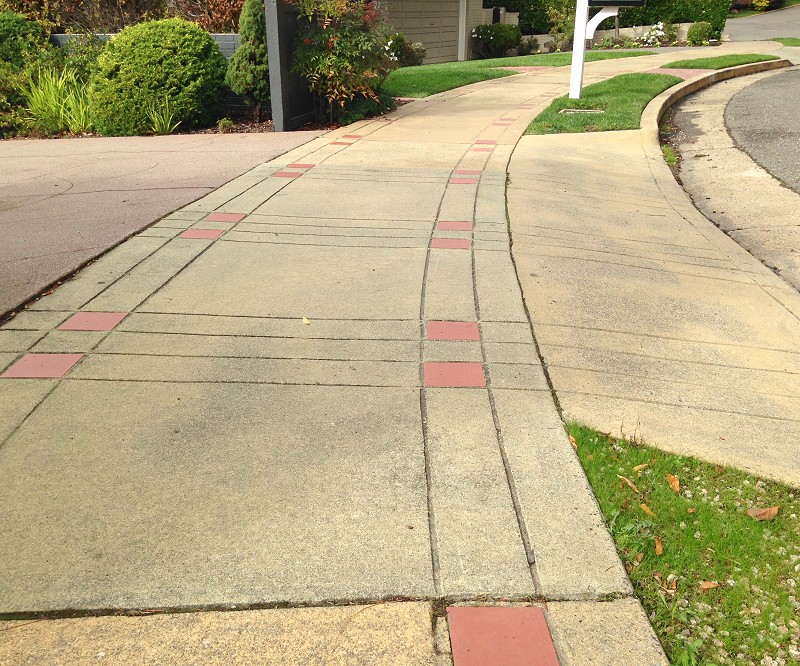
The district east of La Salle Avenue has an impressive sidewalk design that involves a golden tinted concrete, consistent scoring and nice inset tiles.

piedmont-sidewalk

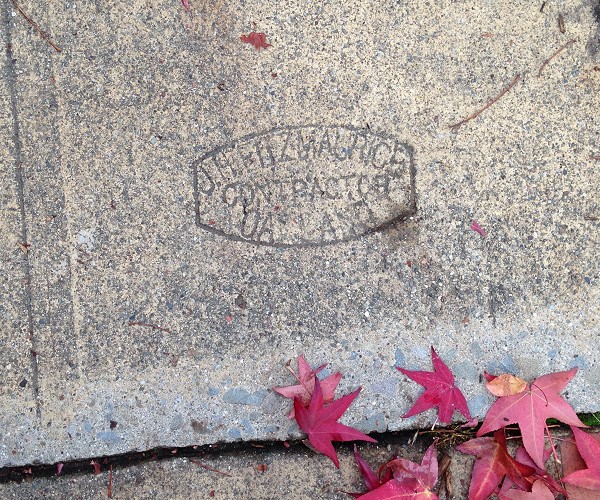
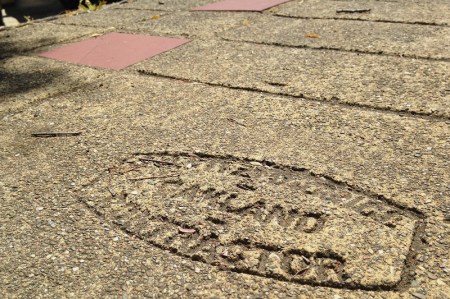
Apparently J. H. Fitzmaurice was the producer, to judge from the stamps on Somerset Way.
piedwalk-fitz.jpg

Finally, only the best cement contractors were hired. Just a few different guys, all major.

piedmont-henning

piedmont-fitzmaurice

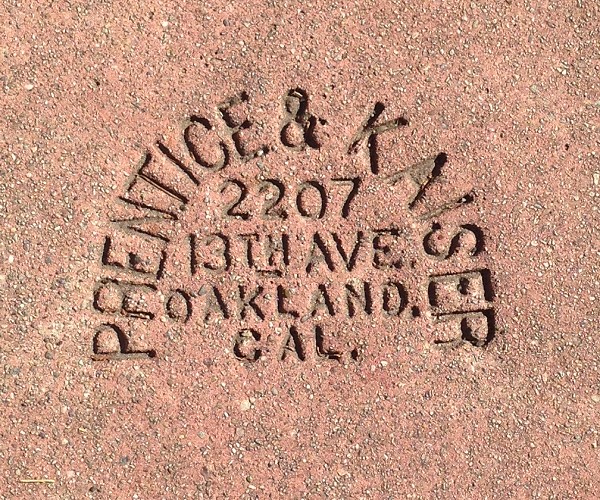
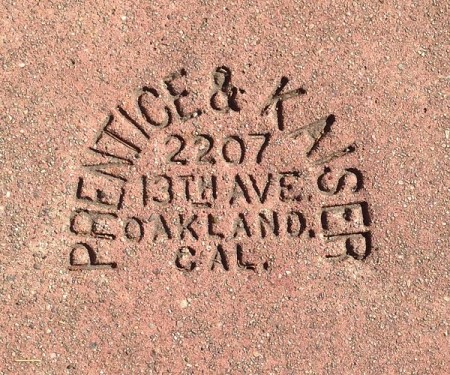
This Prentice & Kaiser mark at 223 Mountain Avenue is pristine, so I had to include it.
prentice-kaiser-piedmont

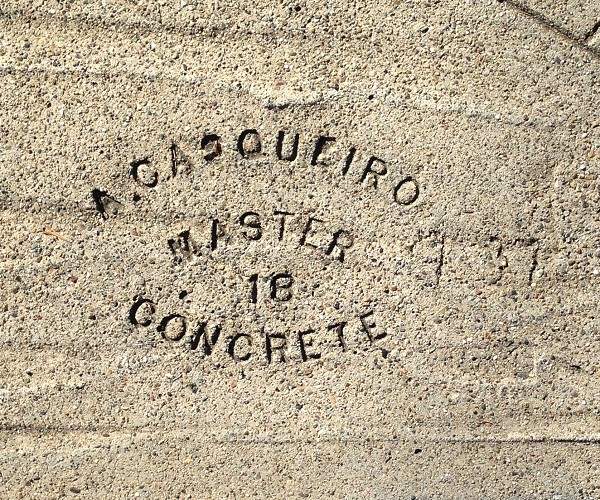
And this A. Casqueiro mark at 107 Estates Drive has an unusual configuration, so it gets included too.

1937vvvv

The work dates from the 1920s and 1930s, the high-water mark of Oakland’s sidewalk contractor community.
M. Greenberg’s Sons Gas

14 October 2016

greenberg-gas

Over at firehydrant.org, they say that Morris Greenberg invented the “California” type of fire hydrant, and already I’m dizzy at this glimpse of obscure industrial history. That was decades after Greenberg, a Jewish immigrant born in Warsaw, Poland, in 1823, had started the Eagle Brass Foundry in 1854. The Jewish Museum of the American West devotes a page to Morris Greenberg that includes a photo.

Greenberg’s foundry, an essential building block of San Francisco, made all manner of metalwork. It was especially prized for its mastery of ship’s fittings, including the demanding art of casting bells.

When Morris died in 1884, his sons Leon and Joseph carried on, renaming the firm M. Greenberg’s Sons. The firm was going strong a hundred years later under the same name with Morris’s grandson Stuart in charge. But in 1969 they sold themselves to the Rich Valve Company, and that was that. Rich Valve was acquired by Clow Valve, adding Greenberg’s “wet barrel” hydrant design to its portfolio.

Bulwinkles

19 August 2016

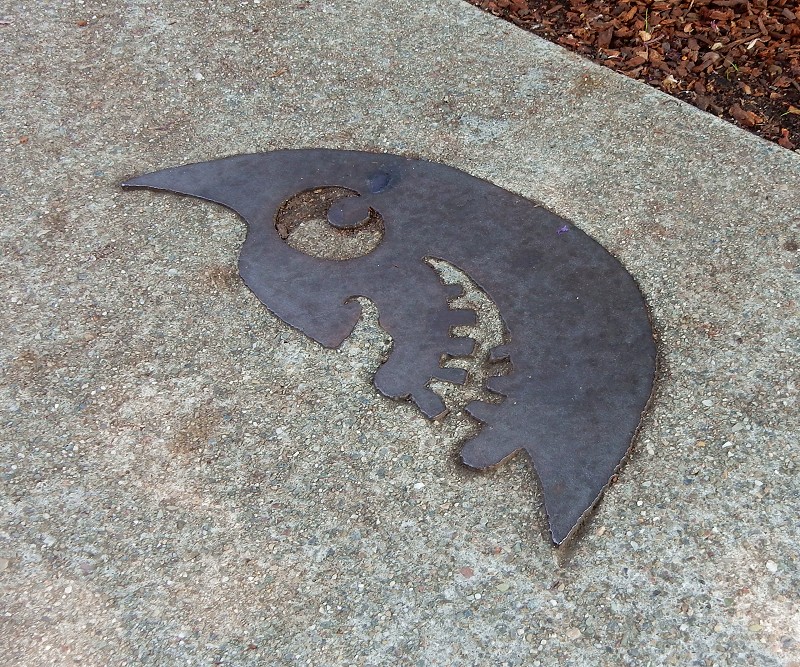
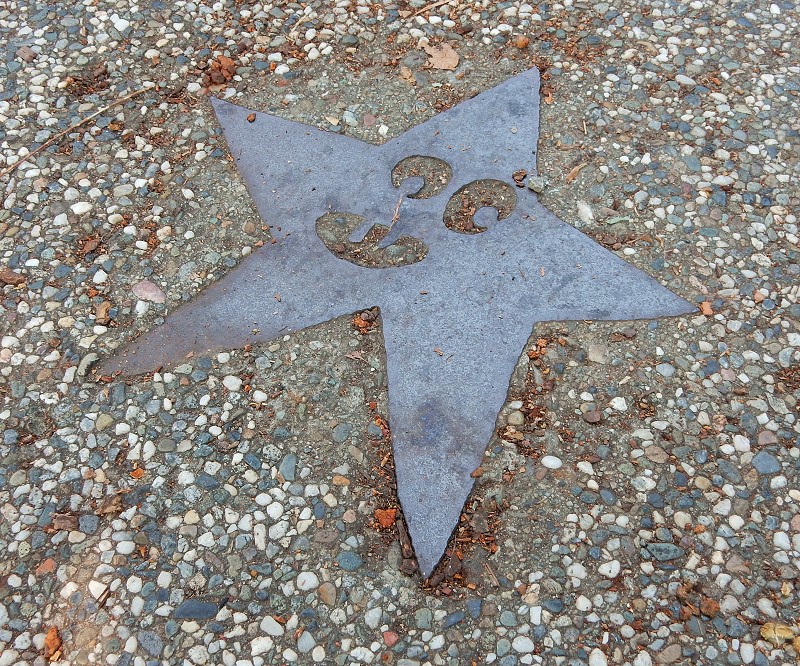
The artist Mark Bulwinkle is widely known for his exuberant sculptures in uncoated steel. His signature series in the East Bay Bridge shopping plaza (or, as he calls it, Bulwinkle Plaza) surely gets as many viewers as any work by an Oakland artist. His smaller pieces grace many homes and gardens.

Today Bulwinkle’s studio, Bulwinkleland, is in high West Oakland, but for many years he installed sculptures all over his home on Manila Avenue. Eventually the house was shrouded in a fantastic frizz of welded rusty steel, each bit a piece of artwork, that resembled a giant crouton gone flagrantly moldy. I lived nearby and never tired of it. One day he decided to stop encrusting and start deconstructing. Soon enough the house was ordinary again, then he sold it and moved on.

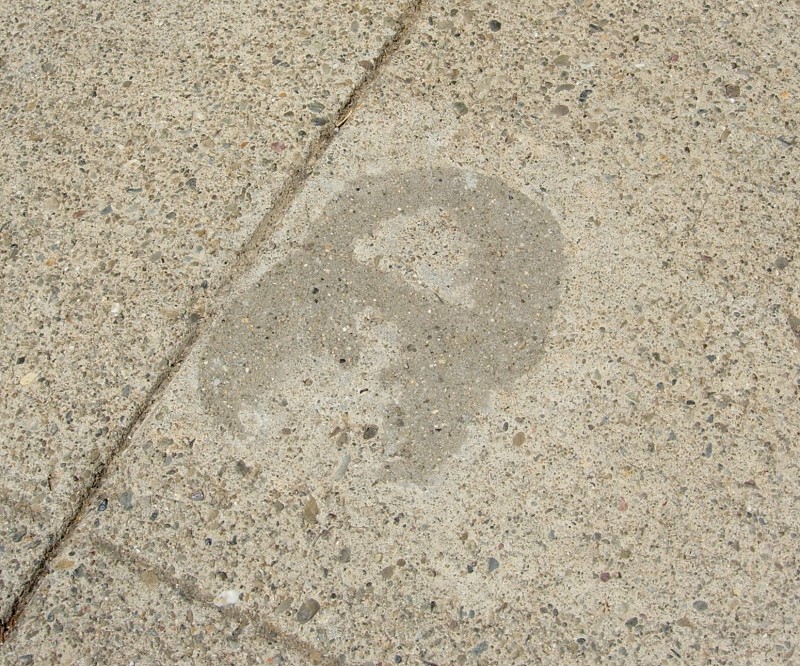
Left behind were these two works embedded in his neighbors’ driveways: a moon and a star.

bulwinklemoon

bulwinklestar

These remind me of the dreamlike spectacle the house presented at night, its great fringe of steel branches silhouetted against a moonlit sky, or backlit just as impressively by low Bay clouds.

Animal tracks

24 June 2016

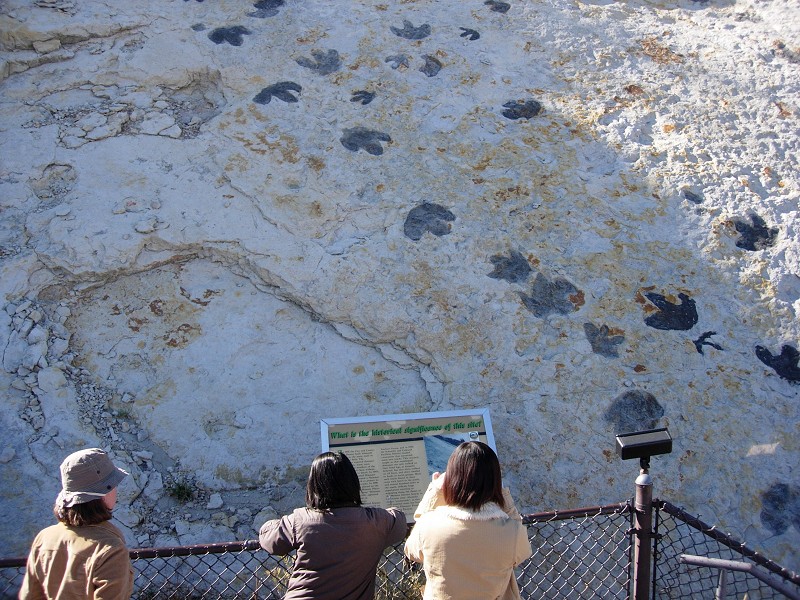
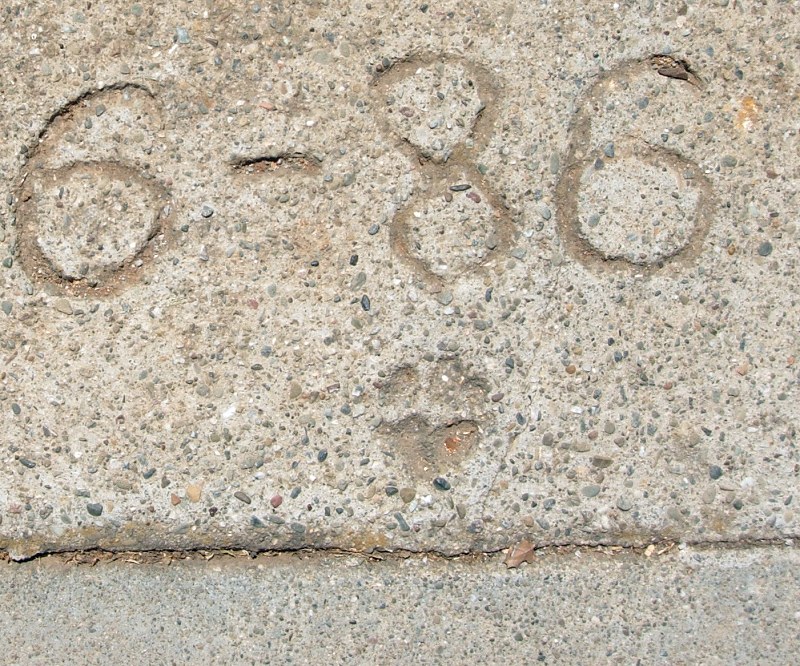
Oakland’s sidewalks contain their makers’ marks and other things besides. In that respect, they remind me of geological strata, a subject close to my heart. Throughout time — well, throughout the billion years or so since they first evolved — animals of all kinds have left their tracks on the ground, from insects to dinosaurs (shown here from Dinosaur Ridge, near Denver).

dinosaurtracks

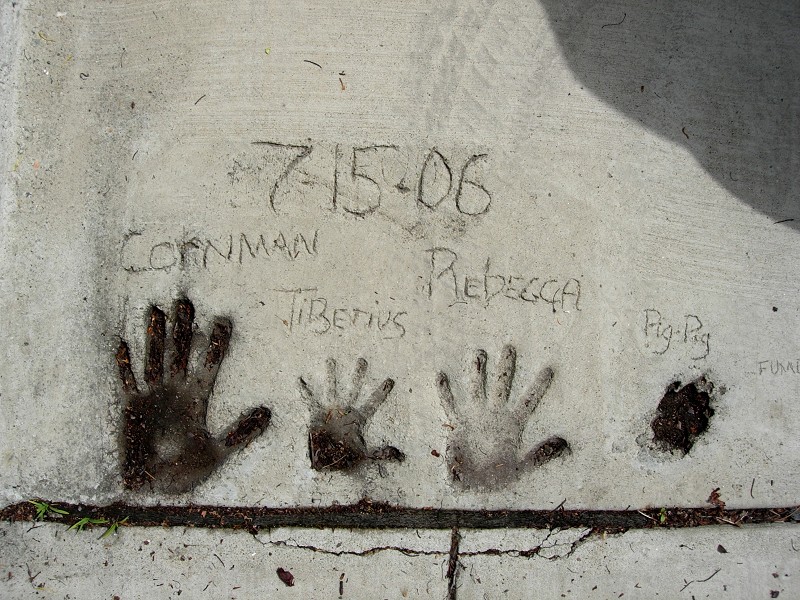
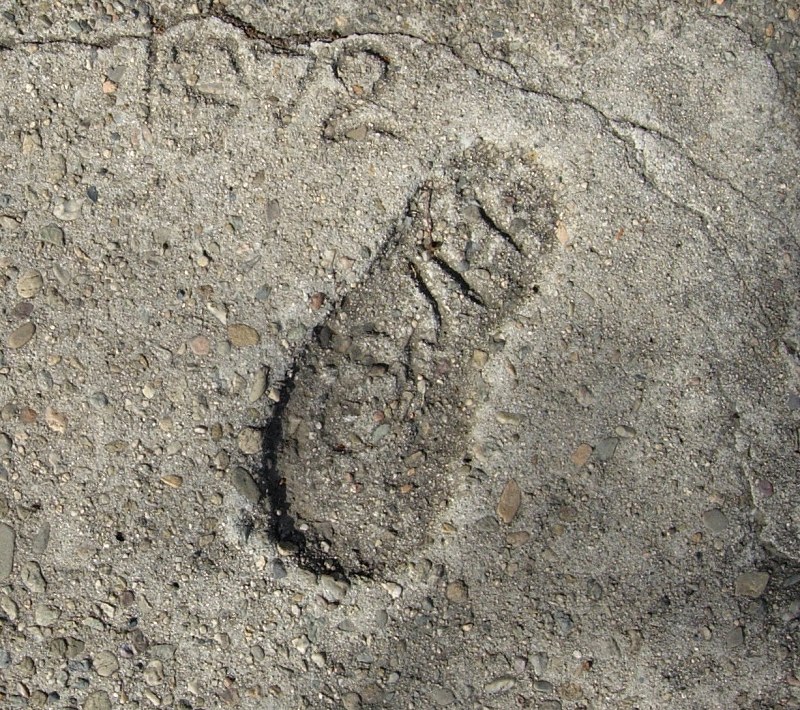
Fossil tracks are classified as ichnofossils — preserved remains not of organisms’ bones or shells, but their actual behavior. Here are some human examples from our sidewalks.

hands

feet

shoes

We understand what humans were doing when they left these signs, as surely as we know why they left dated stamps on the pavement. They were saying, in one way or another, “hello it’s me.” The other animals, like Pig-Pig above or the nameless dog below, we can guess, were forced into the act and were saying “let me go!”

dog

When these hooftracks were made, the horse and its owner were probably both displeased. Oh, and the sidewalk maker too.

hooves

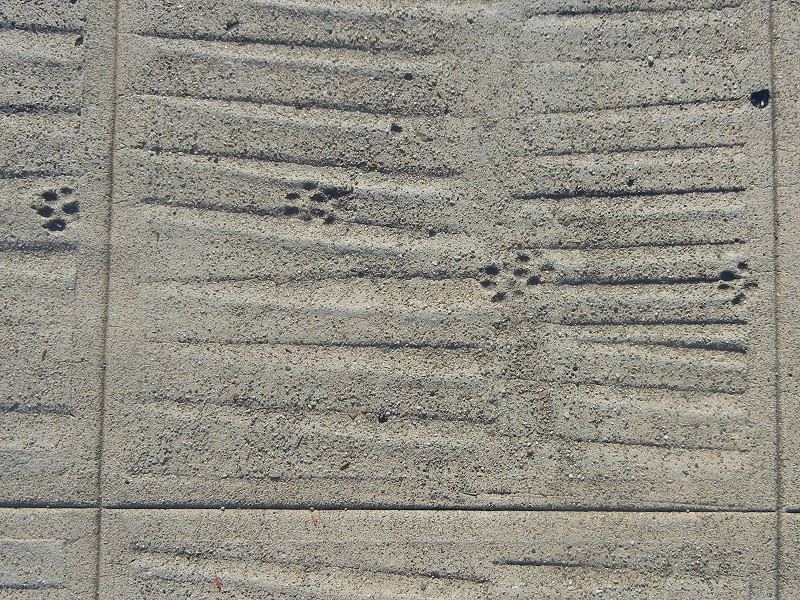
We don’t know what business this animal, a cat I think, was intent upon. But I can guess it was fed up with concrete by the time it finished licking its paws clean.

dogtracks

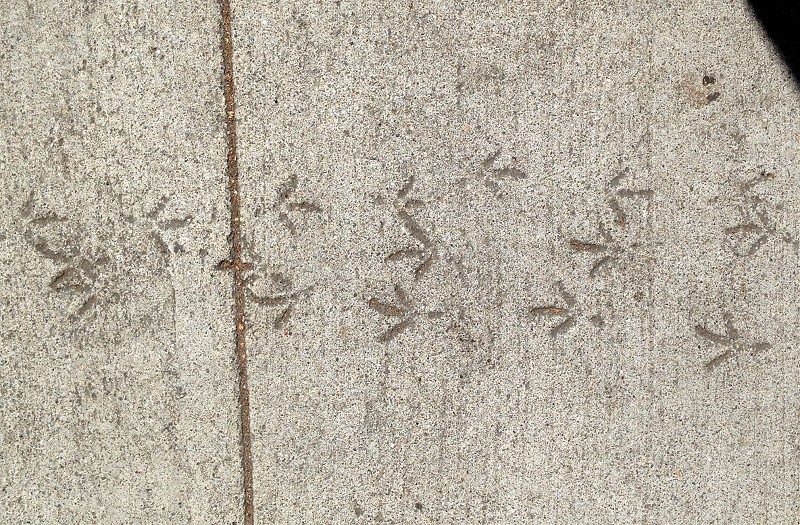
And as for the modern dinosaurs — pigeons — that left these three sets of tracks on Piedmont Avenue, they were probably doing the usual.

birdtracks

Tony Martin, a Georgia-based professor of paleontology, is fixated on trackways both ancient and modern. Check him out at georgialifetraces.com.